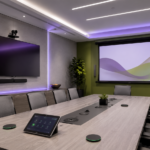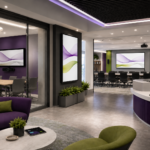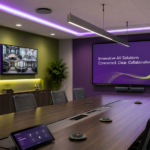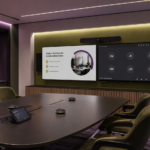
Modern organizations are no longer building rooms just to hold meetings. They are building connected environments where people can collaborate, present, teach, train, communicate, and make decisions faster. That is where professional AV integration becomes essential.
From corporate headquarters and education campuses to healthcare facilities, government buildings, houses of worship, and large-scale enterprise locations, technology now plays a central role in how spaces function. A well-designed AV system does more than add screens and speakers to a room. It creates smarter spaces that support communication, productivity, flexibility, and long-term growth.
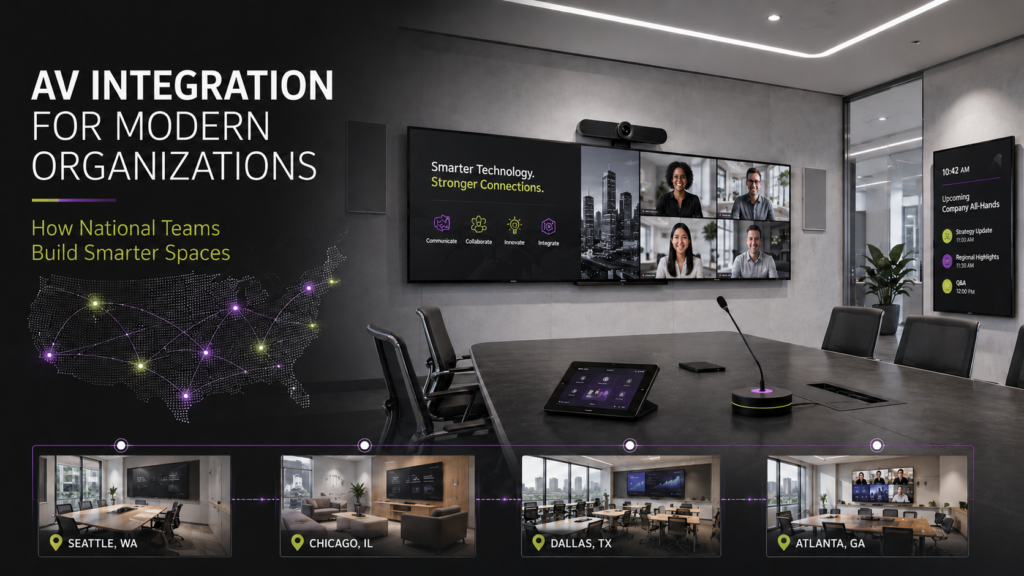
For national organizations, the challenge is even bigger. A single office may need a modern conference room. A national team may need hundreds of rooms across multiple regions to work the same way, support the same standards, and deliver a consistent experience for every user. That requires planning, design expertise, product knowledge, and an integration partner that understands how to scale.
What Is AV Integration?
AV integration is the process of designing, installing, connecting, and supporting audio visual systems so they work together as one complete solution. This can include displays, projectors, speakers, microphones, video conferencing cameras, control systems, interactive boards, digital signage, room scheduling tools, and collaboration platforms.
In a modern workspace, AV integration may involve a Sony professional display in a lobby, an Epson projection system in a training room, Shure microphones in a boardroom, LG digital signage throughout a facility, or Sennheiser audio solutions for clear conferencing. The goal is not to use technology for the sake of technology. The goal is to create a space that makes communication easier and more reliable.
That is the difference between buying equipment and building a true AV solution.
Smarter Spaces Start With Better Planning
The best AV systems begin before anything is mounted, wired, or programmed. They begin with discovery.
A professional AV integration team looks at how the space will be used, who will use it, what technology already exists, and what the organization needs the room to accomplish. A classroom, for example, has very different needs than an executive boardroom. A divisible training space has different requirements than a telemedicine room. A national command center requires a different level of visibility, reliability, and control than a small huddle room.
This planning stage helps determine the right mix of technology. A Sharp display may be ideal for one collaboration space, while a SMART interactive display could better support education, training, or team brainstorming. MooreCo furniture and collaboration products may help complete the room by supporting both technology and the physical user experience.
When AV integration is done correctly, the technology feels natural. People walk into the room, connect quickly, share content, hear clearly, and leave without needing an instruction manual the size of a car battery.
Consistency Matters for National Organizations
For organizations with multiple locations, consistency is critical. Employees should not have to relearn how to use a meeting room every time they visit a different office. IT teams should not have to support a different setup in every building. Leadership should not have to worry about whether a presentation, video conference, or training session will work from one location to the next.
This is where national AV integration teams provide real value.
A national integration strategy can help standardize room types, product selections, control interfaces, installation practices, and support procedures. For example, a company may create a standard huddle room package, a standard conference room package, a standard training room package, and a standard executive briefing room design. These standards can then be deployed across multiple offices with adjustments for local room size, infrastructure, and use case.
That standardization saves time, reduces support issues, improves user adoption, and creates a better technology experience across the organization.
Collaboration Technology Is Now Mission-Critical
Hybrid work changed what organizations expect from meeting spaces. Rooms now need to support both in-person and remote participants equally. That means high-quality video, clear audio, simple content sharing, and reliable control.
A Legrand RoboSHOT camera can help deliver professional video conferencing performance in spaces where camera quality and framing matter. Shure and Sennheiser audio solutions can help ensure people are heard clearly, whether they are sitting at the table or joining remotely. Displays from brands like Sony, LG, and Sharp can provide the visual clarity needed for presentations, dashboards, video calls, and digital content.
The difference between an average room and a well-integrated room often comes down to the details: microphone placement, camera angles, screen size, lighting, acoustics, cabling, control programming, and network readiness. Miss one of those, and the room becomes frustrating. Get them right, and the room becomes an asset.
AV Integration Supports More Than Meeting Rooms
While conference rooms are a major part of AV integration, modern organizations need technology in many different areas.
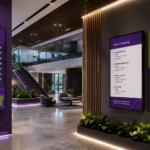
Lobbies can use LG or Sony displays for branded digital signage. Training centers may rely on Epson projection, SMART interactive displays, and distributed audio. Higher education classrooms may need lecture capture, assistive listening, and flexible presentation tools. Healthcare environments may require secure video communication and clear display systems. Government and public sector spaces may need reliable command, control, and communication systems.
Even furniture and room layout matter. MooreCo solutions can support flexible learning, collaboration, and presentation environments. Covid connectivity products can help simplify signal distribution, wall plates, cables, and AV infrastructure. The brands selected should serve the overall goal of the space, not just fill a product list.
Smart AV integration connects all of these pieces into one working system.
Why the Right Integration Partner Matters
Technology is only as good as the team designing and supporting it. A strong AV integration partner brings together design, engineering, project management, installation, programming, training, and ongoing service.
For national organizations, that partner also needs geographic reach and coordination. Rolling out AV standards across multiple locations requires communication between local teams, national account managers, manufacturers, facility managers, IT departments, and end users. Without that coordination, projects can become inconsistent, delayed, or more expensive than they need to be.
The right partner helps organizations choose the right products, avoid overcomplicated systems, plan for future growth, and create spaces that people actually enjoy using.
Building Smarter Spaces for the Future
Modern organizations need spaces that are flexible, connected, and ready for what comes next. That may mean upgrading outdated conference rooms, adding digital signage, improving hybrid meeting experiences, creating interactive classrooms, or standardizing AV systems across a national footprint.
Professional AV integration helps make that possible.
With the right strategy, trusted technology brands like Sony, Epson, Shure, LG, Sennheiser, Sharp, MooreCo, SMART, Covid, and Legrand RoboSHOT can all play a role in building smarter spaces. But the real value comes from how those tools are selected, connected, and supported.
For organizations that want better communication, stronger collaboration, and more consistent technology experiences across every location, AV integration is no longer optional. It is part of building a smarter, more capable organization.
Ready to build smarter spaces across your organization? Connect with CCS to explore AV integration solutions designed for modern teams, national rollouts, and the way people work today.