Audio-visual (AV) systems are vital tools for facilitating communication, enhancing collaboration, and improving productivity within schools, businesses, and other organizations. Many companies invest in high-end AV hardware, hoping that it will solve their communication and collaboration challenges. However, hardware alone is often not enough to address the underlying issues organizations face in achieving seamless and efficient collaboration.
The real value of AV technology lies in its integration. It’s not simply about purchasing the latest AV equipment; it’s about how those pieces of technology work together to create a cohesive, efficient, and user-friendly system. AV integration involves designing a unified system that seamlessly connects all components – from video conferencing systems to digital signage and interactive displays – and ensures that everything works smoothly to support an organization’s goals.
At CCS Presentation Systems, we specialize in AV integration services that go beyond hardware to deliver long-term value to our clients. In this article, we will explain why AV equipment alone doesn’t solve collaboration problems and how integration drives meaningful, sustainable solutions.
AV Equipment: The Foundation, Not the Solution
AV equipment refers to the physical devices that make up an AV system – microphones, speakers, cameras, displays, projectors, control systems, and the like. These devices are essential components of any AV solution, but they are only part of the equation.
Organizations often make the mistake of thinking that simply purchasing high-quality AV equipment will solve their collaboration problems. While these devices are necessary for effective communication, they don’t automatically create an environment conducive to seamless collaboration. In fact, an improperly configured or isolated AV setup can lead to frustration and inefficiency.
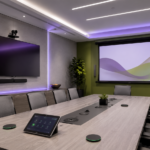
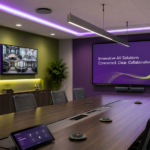
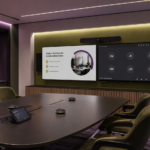
For example, consider a conference room with a top-tier microphone, camera, and display. On paper, the hardware is impressive, but if the devices are not integrated with the right software tools, or if they’re not configured to work together as a unified system, the room may still experience issues like poor audio quality, video lag, or connectivity problems. These problems detract from the overall user experience, defeating the purpose of investing in expensive hardware.
Hardware is just the starting point. It needs to be properly integrated into a larger, well-designed system to function optimally and drive collaboration effectively.
The Role of AV Integration
AV integration goes beyond the simple installation of devices. It involves designing, installing, and configuring a cohesive system that connects all AV hardware and ensures it works seamlessly within an organization’s existing infrastructure.
1. Seamless User Experience
AV integration ensures that users don’t have to worry about technical challenges when using the system. It simplifies the process of starting meetings, sharing content, and communicating, which ultimately improves productivity. A well-integrated system enables employees, educators, and students to focus on the task at hand, rather than struggling with technical difficulties.
For example, in a video conference, an integrated system ensures that participants can easily connect their devices, adjust their microphone and camera settings, and share content without encountering compatibility issues. The system automatically recognizes the right settings, whether it’s connecting to a video conferencing platform or sharing presentations, without requiring manual input.
This seamless user experience increases adoption rates and reduces frustration, making it easier for users to integrate AV systems into their daily workflows.
2. Optimized Hardware Performance
When AV equipment is integrated into a system, each device is configured to work optimally with the others. Integration allows for device-specific adjustments to be made, ensuring that the entire system performs at its best.
For instance, an integrated system can synchronize video cameras and microphones, ensuring that sound and video are perfectly aligned. It can also automatically adjust audio levels to avoid distortion or feedback, creating a more professional and pleasant experience for users.
Additionally, AV integration can help businesses and educational institutions optimize their space usage. For example, room scheduling systems can be integrated with AV equipment to allow for seamless booking of conference rooms with the appropriate settings for each meeting, including video conference equipment, lighting, and displays.
3. Scalability and Flexibility
AV integration enables systems to be easily scaled as organizations grow. When a business opens new offices, adds more classrooms, or expands meeting spaces, the integrated AV system can be extended to include additional rooms or devices. Whether adding new microphones, projectors, or interactive displays, the integration ensures that all new devices are compatible with the existing system and can be seamlessly added without disrupting the user experience.
This flexibility allows organizations to tailor their AV setup to meet their specific needs, even as they evolve. For example, a company may start with a few conference rooms but later expand to include training rooms or huddle spaces. A scalable AV system can accommodate these new spaces, ensuring that all rooms are equipped with the right technology for seamless collaboration.
Why Hardware Alone Doesn’t Solve Collaboration Problems
While high-quality AV equipment is essential for effective communication, relying on hardware alone fails to address the root causes of collaboration challenges.
1. Incompatibility Between Devices
One of the most common issues when relying on individual hardware devices is incompatibility. Different devices from different manufacturers may not communicate well with each other, leading to technical glitches, dropped connections, and poor performance. Without a well-integrated system, users may encounter issues like:
- Poor synchronization between audio and video
- Difficulty sharing content or switching between devices
- Trouble connecting to meeting platforms like Zoom or Microsoft Teams
AV integration ensures that all devices are fully compatible and work together as part of a unified system, preventing these issues from disrupting collaboration.
2. Lack of Interoperability
Interoperability refers to the ability of different systems and software platforms to work together. When organizations rely on hardware alone, they may fail to account for the need for interoperability between devices and software platforms. For example, if a company uses one video conferencing platform in some rooms and another in others, employees may face challenges when switching between rooms for different meetings.
AV integration ensures that the AV system can seamlessly connect with various software platforms, allowing users to join meetings, share content, and communicate regardless of the technology they’re using. By making sure all components are compatible and properly configured, AV integration eliminates the friction that can come from using disparate technologies.
3. Underutilization of AV Capabilities
Without proper integration, organizations may not be able to fully take advantage of their AV equipment. Many modern AV devices come with advanced features, such as automatic camera tracking, high-quality video resolution, and intelligent audio systems that adjust based on the number of people in the room. However, if these features are not integrated into the overall system, they may go unused or not work effectively.
AV integration ensures that all features are configured and optimized, enabling organizations to get the most value out of their investment in AV equipment. It helps unlock the full potential of AV technology, leading to improved collaboration and enhanced productivity.
How AV Integration Drives Long-Term Value
The real value of AV integration lies in its ability to deliver long-term benefits to an organization. When done correctly, AV integration enhances communication, drives efficiency, and supports business goals over the long term.
1. Reduced Operational Costs
While the initial investment in AV integration may seem higher than purchasing individual pieces of hardware, the long-term savings are significant. Integrated systems are easier to manage, maintain, and scale, reducing operational costs over time. Additionally, because everything is compatible and optimized, there is less need for ongoing technical support and troubleshooting.
2. Enhanced Collaboration and Productivity
By creating a seamless, user-friendly experience, AV integration drives higher levels of collaboration and productivity. Employees can quickly and easily connect to meetings, share presentations, and collaborate in real-time, without wasting time on technical problems. This leads to better decision-making, faster execution, and improved outcomes across the organization.
3. Future-Proofing the Organization
AV integration allows organizations to adapt to future technology developments. By building a flexible and scalable system, businesses can easily integrate new technologies and expand their AV capabilities as needed. This future-proofing ensures that the organization’s AV system remains effective and relevant as it grows and evolves.
Partner with CCS Presentation Systems for Your Next AV Integration Project
If you’re ready to take your AV systems to the next level, contact CCS Presentation Systems today. Our expert team will work with you to design, install, and integrate a tailored AV solution that meets your organization’s unique needs. We’re here to ensure that your AV technology doesn’t just function – it drives collaboration, productivity, and long-term success. Reach out today to learn how we can help you create a seamless, integrated AV experience across your organization.