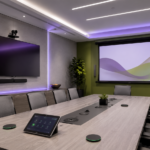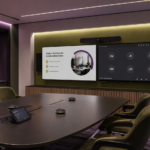

When it comes to integrating AV systems into schools, businesses, or any other type of organization, the importance of professional installation cannot be overstated. Proper installation is the cornerstone of a successful AV system, ensuring not only that the equipment performs at its best but also that it serves the needs of your organization efficiently. While it might be tempting to cut corners and attempt a DIY installation, there are significant risks associated with improper setup that can lead to frustrating technical issues, costly repairs, and missed opportunities for enhanced communication or collaboration. Understanding the potential pitfalls and the value of expert installation can save both time and money in the long run.
1. Achieving Optimal System Performance
The primary reason to invest in professional AV installation is to ensure optimal performance. AV systems often involve multiple components, from projectors and screens to audio systems and video conferencing equipment. Each piece needs to be properly calibrated and aligned to achieve the desired performance. A professional installer will take the time to assess the space, determine the ideal equipment placement, and ensure all components are integrated smoothly.
For example, in a conference room setup, placing a projector too far from the screen can result in poor image quality or distortion. A trained professional understands how to position the equipment for maximum effect, ensuring that the images are sharp, the audio is clear, and the system performs seamlessly. Without expert installation, these technical glitches can become a recurring issue, impacting productivity and causing unnecessary frustration.
2. Ensuring Compatibility Between Devices
One of the most common issues with AV installations is the incompatibility between devices. While modern AV equipment is generally designed to work well with other technology, mismatched connections or outdated hardware can create significant roadblocks. For example, integrating older displays with newer video sources may require specific adapters or converters. Attempting to connect devices without understanding the technical specifications often leads to issues like poor signal transmission or system crashes.
A professional AV installer ensures that all devices are compatible, configured correctly, and connected with the right cables, ensuring smooth communication between different technologies. By conducting a thorough compatibility check before installation, experts can avoid these issues from the outset and save your organization from costly troubleshooting down the line.
3. Avoiding Electrical and Signal Interference Issues
Proper wiring and signal routing are critical for AV systems to function efficiently. When installing an AV system, improperly placed cables, incorrect wiring, or poorly grounded equipment can cause electrical interference or signal loss, leading to distorted audio or video. For instance, audio interference can occur when speaker wires run too close to power cables, while video interference may happen if the HDMI cables aren’t routed through the proper channels.
Professionals not only ensure that all components are wired correctly, but they also consider the physical environment of the space, including factors such as electrical outlets, lighting, and wireless connectivity. By adhering to best practices for wiring, signal routing, and grounding, professional installers can prevent these common issues from arising.
4. Maximizing Space Efficiency and Aesthetic Appeal
The installation of AV equipment is not just about functionality—it’s also about the aesthetics of the space. An improperly installed system can create cluttered, unsightly arrangements of cables and equipment. This not only detracts from the professional appearance of the room but also makes the system more difficult to maintain or upgrade in the future.
Professional AV installers have the knowledge and experience to hide cables, place equipment discreetly, and ensure that everything is both functional and visually appealing. For example, wall-mounted screens, ceiling-mounted projectors, and hidden wiring can give your space a clean, modern look, creating a more professional environment that impresses clients, visitors, or students.
5. Minimizing Downtime and Operational Disruptions
Installing an AV system incorrectly or without sufficient expertise can lead to system failures, which can disrupt daily operations and cause costly downtime. For schools, businesses, and other organizations, this can significantly impact productivity, particularly in environments where AV systems are essential for communication or instruction.
Professional installation reduces the likelihood of system failures and technical difficulties. Experts follow strict testing protocols to ensure everything is functioning as expected before the system goes live. They also provide initial training for employees, ensuring that everyone is comfortable with the new system and can use it effectively. This proactive approach minimizes the risk of future operational disruptions and ensures that the AV system works smoothly from day one.
6. Providing Ongoing Support and Maintenance
One of the key benefits of professional installation is the continued support and maintenance that comes with it. AV systems often require regular upkeep to ensure they remain in peak condition. From software updates to hardware calibration, these systems need routine attention to continue functioning optimally.
Professional AV companies, like CCS Presentation Systems, typically offer ongoing support and service contracts to ensure your system stays up-to-date and well-maintained. Should any issues arise, you’ll have access to a team of experts who can diagnose and fix problems promptly, helping to minimize any operational downtime. This peace of mind is invaluable, especially for businesses or organizations that rely heavily on their AV systems for communication, collaboration, or customer engagement.
7. Scalability and Future-Proofing
As your organization grows, your AV needs may evolve as well. A professional AV installation ensures that the system you set up today is scalable for future upgrades. Whether you plan to expand your system with additional screens, speakers, or video conferencing equipment, an expert installer will design your system with flexibility in mind, making it easier and more cost-effective to upgrade as your needs change.
Attempting to add new equipment or expand your AV system without professional guidance can lead to compatibility issues, inefficient performance, and higher costs for retrofitting. Professional installers ensure that your system is designed to accommodate future expansions, helping you get the most out of your investment in the long run.
Partner with CCS Presentation Systems for Professional AV Installation
The importance of professional AV installation cannot be overstated. Whether you’re installing AV equipment in a classroom, boardroom, auditorium, or retail environment, ensuring that your system is set up correctly from the start will save time, money, and frustration down the line. At CCS Presentation Systems, we specialize in designing, installing, and maintaining AV systems that are customized to fit the specific needs of your organization.
Our team of experienced professionals can guide you through every step of the process, from system design to installation and ongoing support. Contact CCS Presentation Systems today to learn how we can help you avoid common AV installation pitfalls and ensure that your system performs at its best.