Education has always been an evolving field, with new tools and technologies transforming how students learn and teachers teach. One of the most significant advancements in modern education is the integration of Audio Visual (AV) technology into the classroom. For K-12 schools, this shift offers a unique opportunity to enhance the learning experience, promote engagement, and foster collaboration. The future of learning hinges on the successful implementation of AV systems that support dynamic teaching methods, improve accessibility, and prepare students for a technology-driven world.
AV integration in K-12 schools is not just about installing equipment. It’s about creating an environment where audio, video, and interactive technologies come together to support personalized, efficient, and engaging learning experiences. As the education landscape continues to evolve, AV solutions play a pivotal role in shaping the future of how classrooms function and how students experience learning.
Enhancing Engagement and Interactivity
Traditional teaching methods, while effective, often rely on static content such as textbooks and lectures. However, today’s students are digital natives who are accustomed to interactive, multimedia-driven experiences. AV integration helps bridge this gap by incorporating technologies such as interactive whiteboards, projection systems, and tablet devices into everyday lessons.
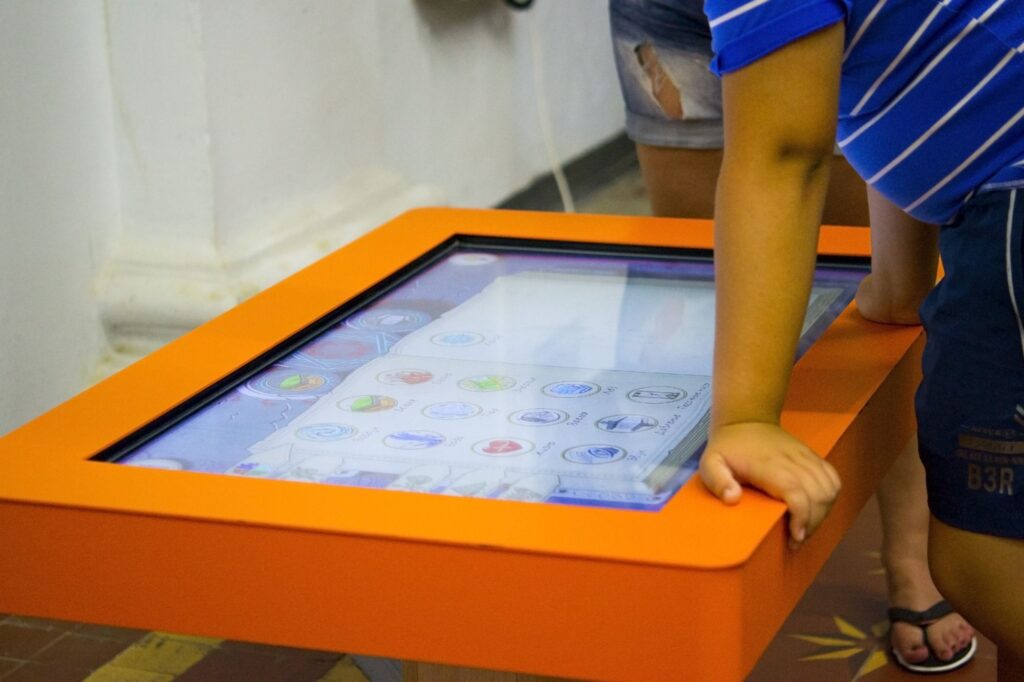
Interactive displays enable teachers to engage students with dynamic content. They can display multimedia presentations, bring up real-time data, and even allow students to interact directly with the material, making learning more engaging and participatory. These tools also allow for instant feedback, ensuring that students are actively involved in the learning process.
For instance, interactive whiteboards like SMART Boards allow for collaborative activities where students can come up to the board and contribute to lessons, such as solving problems, drawing diagrams, or brainstorming ideas. This hands-on approach boosts student participation and keeps them focused throughout the lesson.
Facilitating Collaboration
Collaboration is a critical skill for students to develop in today’s world, and AV integration in classrooms enhances the ability to work together effectively. Video conferencing systems and collaborative platforms allow students to connect with peers, teachers, or even experts from around the world. This level of connectivity brings a global perspective into the classroom and allows students to share ideas, work on group projects, and communicate more effectively.
AV tools such as document cameras, screen sharing, and real-time collaboration apps allow students to work together on projects in and out of the classroom. They can also showcase their work to the class with ease, whether it’s a presentation, a creative project, or a group report. These tools are crucial in fostering an environment where collaboration thrives, and students learn how to communicate and work in teams.
Supporting Diverse Learning Styles
Each student has a unique learning style, and it’s essential for educational environments to accommodate these differences. AV solutions provide the flexibility needed to support visual, auditory, and kinesthetic learners. For example, videos and animations can bring complex topics to life, helping visual learners grasp difficult concepts. For auditory learners, clear, high-quality audio systems ensure that lessons are delivered effectively, even in large classrooms.
AV tools also support inclusive learning by providing assistive technologies. Closed captioning, audio descriptions, and alternative formats can help students with hearing, visual, or cognitive impairments access the curriculum. Adaptive learning technologies, supported by AV systems, enable personalized learning experiences that cater to each student’s pace and needs.
Improving Accessibility and Remote Learning
The integration of AV technologies in schools extends beyond the physical classroom. With the rise of remote learning, it’s essential that schools have the right systems in place to ensure that students, regardless of their location, have equal access to educational opportunities. Video conferencing systems, cloud-based collaboration platforms, and virtual learning environments allow students to attend classes from anywhere, making education more accessible.
In a post-pandemic world, hybrid learning models are becoming increasingly popular, where students attend in-person classes while others participate virtually. AV solutions ensure that these classes run smoothly, with clear audio and video for both in-person and remote learners. This flexibility is especially important for students who may face barriers to attending school in person, whether due to illness, disability, or geographical distance.
Enhancing Teacher Effectiveness and Classroom Management
Teachers are the backbone of any educational system, and AV technology provides them with tools to enhance their effectiveness. For instance, classroom management systems can help teachers monitor student progress in real-time, provide instant feedback, and adapt lessons to meet the needs of the class. These systems often integrate with learning management systems (LMS), providing a comprehensive view of each student’s performance.
AV tools also help streamline administrative tasks. Smartboards and document cameras can replace traditional whiteboards and paper-based assignments, allowing for quicker setup and cleaner presentations. In addition, digital lesson planning tools enable teachers to create, share, and track lessons in a centralized system, making it easier to adapt content based on student needs.
Moreover, AV technology assists in reducing the time spent on administrative tasks, allowing teachers to dedicate more time to instruction and student interaction. By eliminating technical barriers, AV integration ensures that teachers can focus on what matters most—delivering high-quality education to their students.
The Importance of Professional AV Integration
The successful implementation of AV technology in schools requires expertise in design, installation, and integration. Schools need AV systems that are reliable, scalable, and easy to use, and this is where professional AV integrators like CCS Presentation Systems come in. Our team specializes in creating custom AV solutions that are tailored to the unique needs of educational institutions.
We provide a range of AV products and services, from interactive displays and video conferencing systems to advanced audio solutions and streaming equipment. Our integration services ensure that all components work seamlessly together, creating an optimal learning environment. Additionally, our training and ongoing support ensure that teachers and administrators are confident in using the systems to their fullest potential.
Empowering Schools for the Future
AV integration in K-12 schools is more than just a trend; it’s a strategic investment in the future of education. By embracing AV technology, schools can create environments that foster engagement, collaboration, and inclusivity while enhancing teaching and learning outcomes. As the educational landscape continues to change, AV solutions will play a critical role in shaping how students learn, teachers teach, and schools adapt to new challenges.
If you’re ready to enhance your school’s learning experience with cutting-edge AV technology, contact CCS Presentation Systems today. Let our experts design and implement the right AV solutions that will transform your classrooms and help prepare students for success in the digital age.