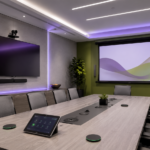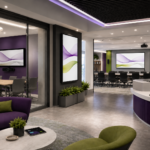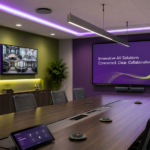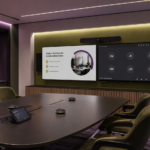

In today’s fast-paced business environment, organizations must prioritize efficient communication and seamless collaboration to stay competitive. As remote work, hybrid meetings, and global teams become the norm, the demand for high-quality, reliable Audio-Visual (AV) systems has surged. But one challenge that many businesses face is achieving consistency across meeting spaces, especially when multiple offices are involved.
Standardizing AV technology across an enterprise offers numerous benefits, from improving user experience to simplifying maintenance. However, there are common pitfalls that companies encounter when attempting to deploy consistent AV solutions across multiple offices. By learning from those who have succeeded – and from those who have faced challenges – organizations can better understand what works, what fails, and what scales when it comes to standardizing AV systems.
At CCS Presentation Systems, we have extensive experience designing, installing, and integrating AV solutions across various sectors. In this article, we’ll share lessons learned from our work and provide insights into how businesses and educational institutions can achieve successful AV standardization.
The Benefits of Standardizing AV Across Multiple Offices
Before diving into the specifics of what works and what doesn’t, it’s important to understand the clear advantages of standardizing AV technology across an organization.
1. Consistent User Experience
When the same AV equipment is deployed across different meeting rooms and offices, users know what to expect every time they enter a space. This consistency reduces frustration and ensures that employees, clients, and guests can focus on the meeting itself rather than spending valuable time troubleshooting or adjusting settings.
2. Easier Training and Support
A uniform AV system means that employees only need to be trained once. Additionally, support teams can more easily troubleshoot issues since they’re dealing with the same equipment and software across all locations. This simplifies both onboarding and ongoing technical support.
3. Lower Total Cost of Ownership (TCO)
Standardization allows for bulk purchasing, which can lead to significant cost savings. It also reduces the need for different service contracts, maintenance schedules, and training materials. A single AV system can be more cost-effective in the long term due to reduced complexity and easier management.
4. Scalability and Flexibility
A standardized AV solution provides a solid foundation for future expansion. As businesses grow or add new locations, they can deploy the same AV setup across all new meeting rooms, making scaling easier and more efficient.
5. Enhanced Collaboration
A seamless AV system that works the same way in every location encourages better collaboration, whether it’s in-person or virtual. Consistency across spaces helps ensure that every team member – regardless of their location – has the same high-quality experience.
What Works: Key Considerations for Successful AV Standardization
While the benefits of standardizing AV are clear, there are a few key considerations that determine success. Here’s what we’ve found works well when deploying consistent AV solutions across multiple offices.
1. Define Clear Requirements and Objectives
Start by assessing the needs of each office or meeting space. Are the rooms primarily for video conferencing? Do they require high-end audio equipment for presentations? Are there specific collaboration tools, such as interactive whiteboards or document cameras, that need to be integrated?
Having a clear understanding of how each space will be used is crucial for selecting the right AV equipment. This also helps ensure that the system can scale with the organization as needs evolve.
2. Choose Reliable, Scalable AV Equipment
Investing in reliable AV equipment that is scalable is one of the most critical factors for success. Look for solutions that offer ease of use, durability, and integration with common software platforms like Microsoft Teams, Zoom, or Google Meet. High-quality microphones, cameras, and displays are essential to ensure a smooth experience across all rooms.
It’s important to choose systems that can handle different meeting sizes. For larger spaces, for example, ceiling microphones and wide-angle cameras may be needed, while smaller rooms may only require basic audio and video equipment.
3. Ensure Interoperability
Your AV system must work seamlessly with other technologies in the organization, including conferencing software, digital signage, and room booking systems. Ensure that your AV equipment integrates smoothly with the existing IT infrastructure to create a cohesive experience across all devices and platforms.
4. Centralized Management and Monitoring
Utilizing a centralized system to manage and monitor AV equipment can streamline maintenance and troubleshooting. By using AV control systems that allow for remote monitoring, administrators can address issues before they affect the user experience. Additionally, this approach allows for consistent software updates and firmware management, reducing downtime across the enterprise.
5. Provide Training and Support
Even though the goal is standardization, training is still essential. Ensure that employees and users are trained on how to use the AV systems in each space, particularly if there are specific functionalities or integrations to be aware of. Providing easy-to-access support materials, such as instructional videos or quick-start guides, can further reduce user errors and frustrations.
What Fails: Common Pitfalls in AV Standardization
Despite the many benefits of standardizing AV systems, there are common pitfalls that organizations often encounter. Understanding these challenges can help businesses avoid making the same mistakes.
1. Failing to Account for Unique Room Requirements
While standardization aims to create consistency, it’s essential to remember that different meeting rooms may have unique requirements. For example, a small huddle room may require a completely different AV setup than a large conference room or a training space. Simply copying the same AV configuration across all spaces without considering these differences can lead to poor performance and a lack of flexibility.
2. Overlooking the User Experience
The purpose of standardizing AV systems is to enhance the user experience, not hinder it. If the system is too complex, too sensitive, or not intuitive, employees may avoid using it altogether. A system that is difficult to operate or prone to malfunctioning will lead to frustration, not efficiency.
3. Underestimating IT and Network Demands
Integrating AV systems with your existing IT infrastructure is not always as straightforward as it may seem. High-quality video conferencing, for instance, requires significant bandwidth. If an organization fails to assess the capacity of its network, it may experience performance issues such as video lag, audio distortion, or connectivity problems.
4. Not Planning for Future Needs
While standardizing AV can lead to immediate benefits, organizations should also plan for future growth. AV systems should be scalable, and the technology should be able to adapt to emerging needs, such as increased bandwidth or the integration of new software platforms. Failure to plan for future changes may require expensive upgrades or reconfigurations later on.
What Scales: Strategies for Long-Term Success
To ensure that your AV system continues to work effectively as your organization grows, certain strategies can help scale your AV system across multiple offices and meeting spaces.
1. Modular Systems for Flexibility
Modular AV systems allow for flexibility as you scale. For instance, a scalable solution can be easily expanded by adding more equipment, whether you’re integrating additional microphones for larger rooms or adding more displays as meeting needs increase. This flexibility ensures that the system can grow with your organization without requiring a full overhaul.
2. Leverage Cloud-Based Collaboration Tools
Cloud-based AV solutions, such as software-based video conferencing and cloud-managed displays, offer scalability and remote accessibility. These solutions allow employees to collaborate from anywhere, with no need to invest in physical infrastructure at each location. Cloud-based systems also enable businesses to centralize management and monitoring from a single point of control, making it easier to scale.
3. Develop a Consistent AV Integration Process
To scale successfully, it’s crucial to develop a standardized process for integrating AV equipment across new locations or meeting spaces. This ensures that every room meets the same quality and functionality standards, reducing the risk of inconsistencies that could disrupt communication.
Partner with CCS Presentation Systems for Your Next AV Integration Project
Standardizing your AV systems across multiple offices or campuses is a critical step in improving communication, collaboration, and productivity. However, to achieve long-term success, businesses need to work with experts who can design, install, and maintain scalable, reliable AV solutions. Contact CCS Presentation Systems today to learn how we can help your organization create a seamless AV experience across all your locations. Our team has the knowledge and expertise to ensure that your AV systems work effectively for years to come.