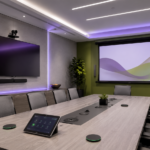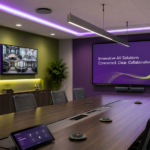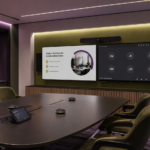

Audio is one of the most important parts of any successful meeting space, but it is also one of the easiest parts to overlook. Many organizations focus first on displays, cameras, furniture, or video conferencing platforms. Those pieces are important, but if people cannot hear clearly, the entire meeting experience suffers.
In conference rooms, boardrooms, classrooms, training spaces, and hybrid meeting environments, professional audio helps people communicate more naturally. It allows in-room participants to hear the conversation clearly and helps remote participants stay connected without struggling through echo, muffled voices, or uneven volume.
At CCS Presentation Systems, our team helps organizations design and install AV systems that bring audio, displays, video conferencing, control systems, cabling, and room layout together. Whether you are upgrading one room or improving meeting spaces across multiple locations, professional audio should be part of the conversation from the beginning.
Common Audio Problems in Meeting Rooms
Poor meeting room audio can show up in several ways. Sometimes voices sound distant or hollow. Sometimes remote participants hear only the person closest to the microphone. In other rooms, background noise, echo, or feedback can make conversations difficult to follow.
These problems often happen when rooms rely on basic built-in microphones, small speakerphones, or equipment that was not designed for the size and layout of the space. A small huddle room may only need a simple audio setup, but a boardroom, training room, or larger conference space usually requires more careful planning.
Professional audio design helps solve these issues by matching the right microphones, speakers, and audio processing to the room.
Clear Voice Pickup Matters
One of the biggest goals of a meeting room audio system is clear voice pickup. Everyone in the room should be heard without needing to lean toward a microphone or repeat themselves. This is especially important in hybrid meetings, where remote participants depend entirely on the room’s audio system to follow the conversation.
Brands like Shure offer professional audio solutions designed for conferencing, education, collaboration, and presentation spaces. Shure’s conferencing solutions can support rooms where clear voice capture and reliable communication are essential.
Depending on the space, the right microphone solution may include ceiling microphones, tabletop microphones, wireless microphones, gooseneck microphones, or a combination of different tools. The best choice depends on the room size, ceiling height, seating layout, furniture, acoustics, and how people use the space.
Audio Is Critical for Hybrid Meetings
Hybrid meetings have changed the expectations for conference room technology. It is no longer enough for people in the room to hear each other. Remote participants also need to hear clearly, and in-room participants need to hear remote voices without distortion or delay.
A weak audio system can make remote attendees feel like they are not fully part of the conversation. If only some voices are picked up, or if the room sounds echoey, remote participants may miss key details. That can lead to repeated questions, slower meetings, and less productive collaboration.
Professional meeting room audio helps create a more balanced experience. Microphones capture voices more clearly, speakers distribute sound more evenly, and audio processing helps reduce distractions such as echo and background noise.
Better Audio Supports Training and Presentation Spaces
Audio quality is not only important in conference rooms. Training rooms, classrooms, lecture spaces, and presentation environments also depend on clear sound.
In a training room, the presenter’s voice needs to carry throughout the space. Participants may ask questions from different areas of the room, and remote attendees may need to hear both the presenter and the audience. In classrooms, clear audio helps students follow lessons and stay engaged. In larger presentation spaces, professional audio can make the difference between a polished experience and a frustrating one.
Through our AV integration services, CCS helps organizations plan audio systems that support the full room experience. That includes microphone coverage, speaker placement, signal routing, user controls, and long-term reliability.
The Room Itself Affects Audio
Audio design is not only about choosing equipment. The room itself plays a major role in how sound performs.
Hard walls, glass surfaces, high ceilings, open layouts, and large tables can all create audio challenges. Some rooms may have echo or reflections. Others may have background noise from HVAC systems, hallways, or nearby work areas. Furniture layout, ceiling materials, and wall treatments can also affect how voices are captured and heard.
A professional AV partner can evaluate the full space before recommending a solution. The goal is to design the audio system around the room, not force the room to work around the equipment.
Audio Works Best as Part of a Complete AV System
Professional audio is most effective when it is integrated with the rest of the AV system. Displays, cameras, microphones, speakers, video conferencing platforms, control panels, and cabling all need to work together.
For example, a conference room may need microphones that work with a video conferencing system, speakers that support remote audio, a display for shared content, and a control panel that makes the room easy to operate. A training room may need presenter microphones, audience microphones, multiple displays, and simple source switching.
CCS helps bring these pieces together through complete AV solutions designed around the way each space is used. The result is a room that sounds better, looks cleaner, and feels easier to operate.
Do Not Let Audio Be an Afterthought
It is easy to underestimate audio until it becomes a problem. A room may look impressive, but if people cannot hear clearly, users will remember the frustration more than the display, camera, or furniture.
Professional audio helps meetings start smoother, conversations flow better, and remote participants feel more included. It also helps reduce support issues by creating a more reliable and predictable room experience.
For organizations that rely on meeting rooms, classrooms, training spaces, or hybrid collaboration areas every day, investing in audio is one of the most practical ways to improve communication.
Build Better Meeting Spaces with CCS
If your organization is planning an AV upgrade, professional audio should be part of the design from the beginning. The right microphones, speakers, processing, cabling, and room planning can help create meeting spaces that are clearer, easier to use, and better prepared for hybrid work.
CCS works with corporate offices, schools, universities, healthcare facilities, government organizations, hospitality spaces, houses of worship, and other professional environments to design AV systems that support better communication.
Ready to improve the way your meeting spaces sound? Visit CCS Presentation Systems or contact CCS to start planning your next AV project.