In houses of worship, maintaining a balance between tradition and modernity is essential. These sacred spaces are steeped in history, with practices and rituals passed down through generations. However, as the world becomes more digitally connected, religious institutions are exploring the integration of technology to enhance their services, engage their congregations, and expand their reach.
Audio-visual (AV) systems play a pivotal role in these upgrades, offering solutions that meet both functional and aesthetic needs. The challenge lies in choosing the right AV technology that enhances worship without detracting from the atmosphere of reverence and tradition. At CCS Presentation Systems, we specialize in crafting AV integration solutions that help houses of worship seamlessly merge technology with their sacred spaces. Let’s explore how AV upgrades can serve these institutions, allowing them to honor tradition while embracing modern technology.
1. Enhancing the Worship Experience
One of the key considerations for houses of worship is how technology can improve the worship experience. AV systems can help enhance audio clarity, visual engagement, and overall accessibility for attendees, whether they are in the sanctuary or joining remotely. High-quality sound systems ensure that every word spoken from the pulpit is heard clearly, while modern microphones can eliminate unwanted noise and feedback.
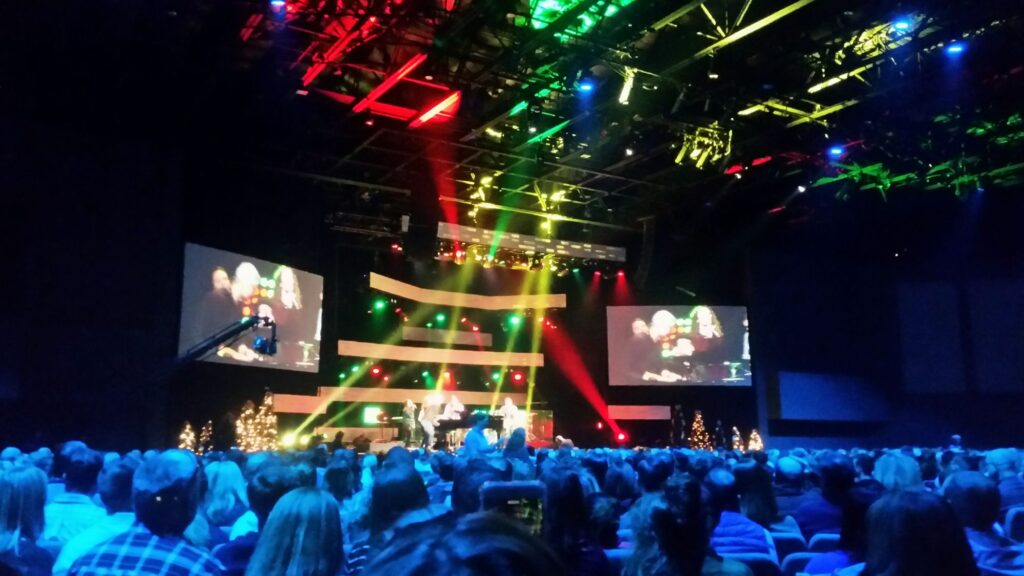
Moreover, projectors and screens allow religious messages, hymns, and scripture passages to be displayed in real-time, making it easier for congregants to follow along. The visual component also adds a layer of engagement for younger generations who are more accustomed to digital interaction. These AV solutions provide both accessibility and enhanced engagement without overshadowing the ritualistic and sacred aspects of the service.
2. Streamlining Remote Access for a Global Congregation
Technology also enables houses of worship to expand their reach beyond their physical locations. Streaming services are now a standard offering in many places of worship, allowing individuals who cannot attend in person to participate virtually. For those with physical disabilities, elderly members, or people living far from the place of worship, this remote access provides a vital connection to the community.
High-quality video cameras and streaming platforms can ensure that services are broadcast seamlessly, allowing congregants to view the worship service in real-time, regardless of their location. AV technology ensures that the spiritual experience is not confined by geographic boundaries, making it easier for houses of worship to foster a sense of global community.
3. Maintaining Acoustic Integrity in Historic Buildings
Many houses of worship are located in older buildings with unique architectural features that contribute to their historic charm. These structures often present challenges for AV system installation, particularly with regards to acoustics. High ceilings, hard surfaces, and elaborate design elements can create reverberations, distortions, and echo effects that can make it difficult for congregants to hear sermons or hymns clearly.
To address these challenges, AV upgrades must be carefully tailored to the unique acoustics of each building. Using digital signal processors (DSP), sound systems can be customized to filter and balance frequencies, ensuring that audio clarity is maintained throughout the space. Advanced speaker systems, strategically placed to distribute sound evenly, also allow for optimal audio quality without sacrificing the aesthetic of the environment. The goal is to enhance the audio experience while respecting the architectural integrity of the building.
4. Supporting Multi-Use Spaces
Many modern houses of worship are multifunctional, hosting not only religious services but also community events, educational programs, and social gatherings. This diversity of use places additional demands on AV systems, requiring them to be flexible and adaptable. The same AV technology used during worship services must be able to accommodate events like concerts, lectures, or community meetings.
For this reason, integrated AV solutions, including movable screens, wireless microphones, and versatile lighting, offer the flexibility required to support various functions. These systems can be controlled centrally, allowing staff to easily transition between different setups and ensuring that every event is supported by the appropriate technology. With seamless integration, houses of worship can create a variety of settings for different activities while maintaining consistency in their audio-visual experience.
5. Incorporating Modern Design with Minimal Intrusiveness
One of the primary concerns for houses of worship when upgrading their AV systems is the potential for technology to disrupt the aesthetic of their sacred space. Traditional sanctuaries often feature ornate décor, stained glass windows, and altar settings that define the atmosphere. AV systems need to integrate into these environments without detracting from the visual and spiritual experience.
At CCS Presentation Systems, we focus on installing AV solutions that complement the space rather than overwhelm it. This can include hidden speakers, ceiling-mounted projectors, and subtle screens that only appear when needed. For example, projection mapping technology allows imagery to be projected onto the walls or altar in a way that enhances the atmosphere without clashing with the building’s design. The goal is to create a harmonious balance between modern functionality and traditional aesthetics.
6. Flexible Control for Staff and Volunteers
Managing an AV system can be a daunting task, especially when many houses of worship rely on volunteers or part-time staff to handle technology. A key part of any AV upgrade is ensuring that the system is user-friendly and easy to control. Intuitive control systems, such as touch panels or mobile apps, enable staff and volunteers to operate the AV systems with minimal training.
By providing centralized control over audio, video, lighting, and streaming, AV systems can ensure that worship services run smoothly without distracting the congregation. Customizable presets can be programmed for different events, making it easy to switch between settings for a sermon, music performance, or special ceremony.
7. Prioritizing Budget and Long-Term Viability
When upgrading AV systems, houses of worship must also consider their budget and long-term sustainability. AV equipment should not only meet the immediate needs of the congregation but also be scalable for future growth. A well-designed system ensures that equipment can be easily upgraded or expanded as technology evolves without needing to replace the entire infrastructure.
At CCS Presentation Systems, we work closely with houses of worship to create cost-effective solutions that meet their current needs while planning for future advancements. By carefully assessing the space, understanding the congregation’s needs, and choosing scalable solutions, we help institutions get the most value from their investment.
Bridging Tradition and Technology with Expert Integration
The process of upgrading AV systems in houses of worship is about much more than simply adding technology—it’s about creating an experience that enhances the spiritual journey while maintaining the integrity of tradition. By integrating AV solutions that are intuitive, unobtrusive, and adaptable, houses of worship can build an environment that serves both their current and future needs.
At CCS Presentation Systems, we are experts in creating customized AV solutions for religious institutions. Whether you are looking to enhance your worship services with state-of-the-art sound and visual systems or expand your reach with live streaming capabilities, we can help you find the right balance between tradition and technology.
Contact CCS Presentation Systems today to learn more about how we can support your AV integration needs and help you elevate the worship experience in your house of worship.