
As healthcare systems evolve to meet the growing demands of patient care, technology is playing an increasingly vital role in improving both the efficiency and quality of services. One of the most influential technologies transforming the healthcare industry today is Audio Visual (AV) integration. In modern medical facilities, AV solutions are not just a luxury but a necessity, enabling better communication, improving patient outcomes, and enhancing the overall healthcare experience for both patients and healthcare providers.
The integration of AV technologies into healthcare environments helps streamline operations, facilitate real-time collaboration, and provide dynamic learning and diagnostic capabilities. From hospital rooms to conference rooms, operating theaters to waiting areas, AV systems are revolutionizing the way healthcare facilities deliver care, train staff, and interact with patients.
Facilitating Communication and Collaboration
Effective communication is critical in healthcare. Whether it’s between doctors and patients, or among healthcare teams, the ability to share information clearly and promptly can make a difference in patient outcomes. AV systems improve communication within medical teams by enabling seamless collaboration, whether teams are in the same room or across different locations.
In large medical facilities or hospital networks, video conferencing tools, integrated with high-definition displays and top-tier audio equipment, allow healthcare professionals to conduct virtual consultations and multi-disciplinary team meetings efficiently. Specialists in remote locations can join a procedure in real-time, offering advice or assistance without needing to be physically present, thus reducing travel time and improving response times for urgent medical decisions.
Moreover, telemedicine platforms, which rely heavily on AV technology, enable healthcare providers to conduct virtual consultations with patients. This is especially valuable in rural or underserved areas where access to healthcare is limited. Patients can consult with medical professionals from the comfort of their own homes, making healthcare more accessible and reducing unnecessary hospital visits.
Enhancing Patient Experience
In healthcare settings, patient experience is a key factor in improving care satisfaction. AV technology helps create a more comfortable and engaging environment, which can reduce patient stress, improve recovery rates, and even aid in pain management.
For example, high-definition video systems in patient rooms can provide entertainment options, such as movies or educational videos, to help patients relax and stay informed about their treatment. AV solutions also allow for easy access to health information, making it simpler for patients to understand their conditions and treatment plans.
Interactive displays can also be used for educational purposes, providing patients with relevant information about their diagnoses, treatment options, and post-care instructions. By enhancing the communication process, AV systems make it easier for healthcare providers to engage patients and ensure they are well-informed about their healthcare journey.
Improving Surgical and Diagnostic Capabilities
AV technology is playing an increasingly important role in surgical and diagnostic procedures. High-definition imaging systems, digital monitors, and video cameras are now standard in many operating rooms and diagnostic labs. These AV tools allow surgeons and medical professionals to have a clear, detailed view of the patient’s condition, which is essential for performing complex procedures accurately and efficiently.
In surgical environments, real-time imaging can be displayed on large digital screens or projected onto surfaces, providing surgeons with a comprehensive view of the area they are working on. The use of video cameras and streaming solutions also allows for surgical procedures to be broadcast to other medical professionals for observation or training purposes. This enhances learning opportunities and promotes the sharing of knowledge and best practices across medical teams.
Additionally, AV technologies support diagnostic equipment by improving the clarity and precision of images used for procedures like MRIs, CT scans, and ultrasounds. Integrated AV systems ensure that medical images are displayed in high resolution, aiding healthcare providers in making accurate diagnoses and treatment decisions.
Streamlining Operations with AV Integration
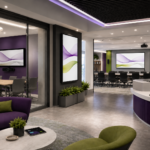
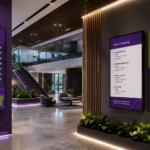
Efficient hospital management and operations are fundamental to delivering quality healthcare. AV integration streamlines various administrative tasks and improves workflows within medical facilities. For instance, digital signage in lobbies, hallways, or waiting rooms can display important information such as patient waiting times, appointment reminders, or emergency alerts, helping to manage patient flow and reduce delays.
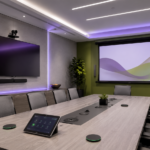
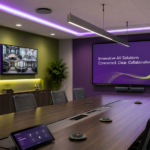
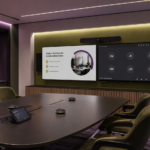
In meeting rooms and conference spaces, integrated AV systems enable better collaboration and quicker decision-making by allowing teams to share presentations, data, and documents easily. This can reduce time spent on manual administrative tasks and improve the productivity of meetings. Video conferencing solutions further enable remote teams to meet without delays or travel costs, facilitating smoother inter-departmental coordination.
In large hospital networks, AV integration also helps with centralized monitoring and control systems. These systems provide real-time data on room occupancy, equipment usage, and staff assignments, allowing administrators to monitor and adjust resources effectively. By streamlining these processes, AV solutions help healthcare facilities operate more efficiently and effectively.
AV in Medical Education and Training
Healthcare is an ever-evolving field, and continuous learning is essential for medical professionals to stay up to date with the latest advancements. AV technology plays a pivotal role in medical education and training, offering interactive learning tools and advanced simulation technologies.
Medical training often involves hands-on learning, but AV solutions can enhance this experience by providing access to virtual simulations, 3D models, and real-time video feeds of surgeries or medical procedures. Medical students and residents can observe procedures remotely, interact with educational materials, and participate in virtual discussions or case studies—all of which contribute to a richer, more flexible learning environment.
Additionally, AV tools like digital whiteboards and interactive displays facilitate collaborative learning and problem-solving among medical teams. These tools enable doctors, nurses, and other healthcare professionals to discuss cases, analyze patient data, and brainstorm treatment options more effectively.
Integrating AV Solutions into Healthcare Facilities
The successful integration of AV technology into healthcare facilities requires more than just purchasing and installing equipment. It involves thoughtful planning and design, with attention to the unique needs and goals of the healthcare environment. Custom AV systems should be tailored to optimize patient care, enhance collaboration, and support the specific demands of medical professionals.
CCS Presentation Systems specializes in providing cutting-edge AV solutions for healthcare providers. Our team works closely with healthcare facilities to design, install, and integrate systems that meet the specific needs of each environment. From video conferencing and telemedicine systems to high-definition diagnostic displays and patient engagement tools, we offer a range of AV solutions that can improve the delivery of healthcare.
Our expertise in AV integration ensures that all components of your system work together seamlessly, from communication tools and surgical monitors to administrative systems and training platforms. We provide ongoing support, training, and maintenance to ensure that your systems continue to function at their best.
If your healthcare facility is ready to embrace the benefits of AV technology, contact CCS Presentation Systems today. Let us help you create an innovative, efficient, and patient-centered environment that supports your mission to deliver exceptional care.