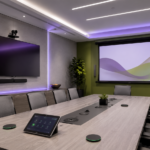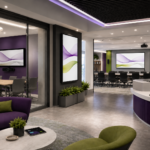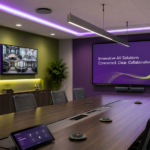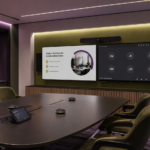
Higher education is evolving rapidly, driven by advancements in technology that transform the way students learn, engage, and collaborate. Audio-Visual (AV) technology plays an essential role in this transformation, not only enhancing classroom experiences but also preparing students for a future where technology will be integral to nearly every aspect of their professional and personal lives.
In educational institutions, AV systems are not just about delivering lectures or displaying content on a screen. They are about creating an interactive, immersive learning environment that fosters engagement, collaboration, and skill development. At CCS Presentation Systems, we specialize in providing comprehensive AV integration solutions that help educational institutions create forward-thinking learning spaces. Let’s explore how AV technology is reshaping higher education and preparing students for success in a technology-driven world.
1. Enhanced Learning with Interactive Technology
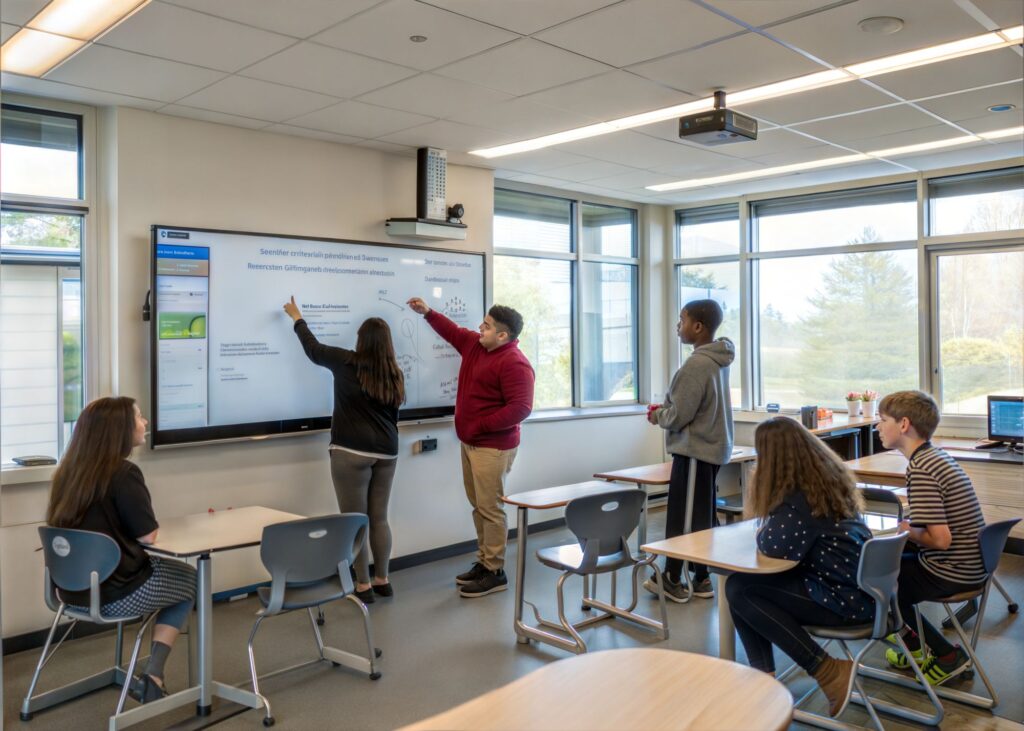
One of the most impactful ways AV technology is transforming higher education is through interactive learning environments. Traditional lecture halls and classrooms are being replaced with dynamic, technology-driven spaces that promote active participation, collaboration, and problem-solving. Interactive whiteboards, touchscreens, and digital projectors enable students to engage directly with course materials, fostering a deeper understanding of concepts.
These technologies also support collaborative learning, where students can share their ideas, work on group projects, and engage in discussions with their peers in real-time. For example, interactive displays allow students to work together on presentations or research in a way that was previously difficult to achieve. By incorporating AV solutions such as collaborative touchscreens and integrated video conferencing systems, institutions are making learning more engaging and preparing students for a future in which collaboration and innovation are key.
2. Creating Hybrid and Remote Learning Opportunities
The shift toward hybrid and remote learning models has accelerated in recent years, and AV technology is at the heart of this transformation. By integrating high-quality video conferencing systems, microphones, and digital displays, institutions can offer courses to students regardless of their physical location. Hybrid classrooms allow for both in-person and remote students to participate equally in discussions, presentations, and group activities.
This flexibility not only accommodates different learning preferences but also broadens access to higher education. Students from various geographical locations, or those with mobility or time constraints, can now engage in their education without the need to be physically present on campus. For institutions, investing in AV technology to support remote learning also helps future-proof their programs, ensuring they remain adaptable to changing student needs and technological advancements.
3. Real-World Learning Experiences
AV technology goes beyond the classroom in preparing students for real-world challenges. Many higher education institutions now incorporate immersive learning environments, such as virtual reality (VR) and augmented reality (AR), which provide students with hands-on experiences in their respective fields. These technologies allow students to practice complex tasks in a simulated environment, helping them build skills without the risk of making costly errors.
For example, medical students can use VR to practice surgery or diagnose patients without the need for real-life patients. Similarly, engineering students can simulate machinery assembly or test out different engineering designs in a virtual environment. These immersive learning opportunities help students build critical skills that they will need to succeed in their future careers.
AV systems also help bridge the gap between theoretical knowledge and practical experience. By incorporating technologies like digital simulators, interactive whiteboards, and video-based learning tools, students can gain real-world insights and apply their knowledge in more meaningful ways.
4. Streamlined Communication and Collaboration
Effective communication is vital in the modern workforce, and AV technology in higher education is helping students develop these essential skills. Video conferencing systems, integrated audio solutions, and collaborative tools help students communicate and collaborate with their peers, instructors, and industry experts. For example, video conferencing tools allow students to participate in live discussions with guest speakers, industry professionals, or fellow students from other institutions around the world.
These technologies also enhance the learning experience by allowing students to work on joint projects with people from diverse backgrounds, fostering a global perspective that is invaluable in today’s interconnected world. By developing communication and collaboration skills, students are better equipped to succeed in the increasingly globalized and technology-driven job market.
5. Access to On-Demand Learning Materials
With AV technology, students no longer need to rely solely on in-person lectures to absorb course material. Video recordings of lectures, seminars, and workshops can be streamed or downloaded at any time, providing students with the flexibility to review lessons, catch up on missed classes, or revisit complex concepts. This on-demand access to learning materials enhances student learning outcomes and allows for a more personalized educational experience.
Moreover, institutions can leverage AV tools to create diverse learning content, such as podcasts, webinars, and interactive tutorials, which cater to different learning styles. By providing students with various types of content and delivery methods, educational institutions ensure that their students have the resources they need to succeed.
6. Supporting Diverse Learning Needs
Every student learns differently, and AV technology provides a flexible framework to support a variety of learning styles and needs. For students with disabilities, assistive technologies such as speech-to-text, captioning, and screen readers can make educational content more accessible. Interactive whiteboards and digital displays can also help students with visual or hearing impairments better engage with the material by providing clear, accessible content in different formats.
AV technology’s ability to provide adaptable and customizable learning experiences is particularly beneficial for students who need individualized support. By embracing AV solutions, institutions create a more inclusive and equitable educational environment where every student has the opportunity to succeed.
Preparing Students for Tomorrow’s Careers
The integration of AV technology in higher education not only enhances the learning environment but also prepares students for careers in a variety of industries. In a workforce increasingly reliant on technology, students who are familiar with AV tools and collaborative technologies will be better equipped to meet the demands of their chosen fields. From healthcare and engineering to business and the arts, students will need to interact with cutting-edge technology, collaborate across borders, and adapt to new tools and systems.
At CCS Presentation Systems, we understand the importance of equipping students with the technological skills they need to thrive in a rapidly evolving world. Our custom AV solutions provide educational institutions with the tools they need to create dynamic, interactive, and future-ready learning environments.
If your institution is ready to take the next step in preparing students for success, contact CCS Presentation Systems today. Let us help you integrate the right AV technology to enhance your teaching and learning experience, and empower the next generation of leaders, innovators, and professionals.