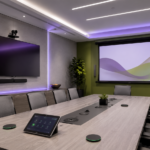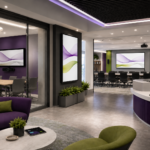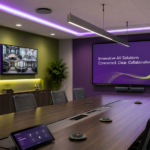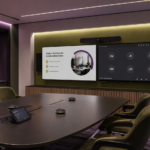

Audio-visual (AV) integration has become an essential component for schools, businesses, and organizations of all types that rely on technology for communication, collaboration, and productivity. Whether it’s in a classroom, conference room, or large event venue, the seamless integration of audio-visual equipment can elevate experiences, improve efficiency, and drive successful outcomes. However, many businesses and organizations are not fully aware of the benefits and complexities involved in AV integration. Understanding the core aspects of AV integration can help ensure that your investments in technology work optimally and meet your specific needs.
What Is AV Integration?
At its core, AV integration involves the installation, configuration, and ongoing management of various audio and visual technologies. These can include displays, projectors, microphones, sound systems, video conferencing tools, and control systems. The goal is to combine these components in a way that they work cohesively, allowing users to interact with the technology seamlessly and achieve their communication objectives.
For businesses and organizations, the benefits of AV integration extend far beyond simply having high-quality technology in place. Proper AV integration ensures that all components work in harmony to create an efficient, user-friendly environment. It also helps businesses reduce technical issues, enhance presentations, and facilitate better collaboration, whether that’s for a meeting, a training session, or a school lecture.
Key Benefits of AV Integration for Businesses
- Improved Collaboration and Communication In the modern business world, effective communication is key. AV integration facilitates smoother, more engaging interactions between team members, whether they are in the same room or across the globe. Tools like video conferencing and collaboration software are essential for remote and hybrid work environments. With well-integrated AV solutions, team members can share documents, present visuals, and hold meetings without the technical difficulties that can impede progress. This results in increased productivity and better decision-making.
- Enhanced Learning and Training Experiences For educational institutions, AV integration offers the opportunity to enhance both teaching and learning experiences. Interactive whiteboards, projectors, and sound systems can support more dynamic lessons and enable teachers to engage with students in new ways. AV integration can also facilitate virtual learning environments, allowing for remote participation in classes, whether it’s a K-12 school, a university, or a corporate training facility. The ability to support various forms of media, such as video, audio, and live demonstrations, ensures that content is delivered effectively and comprehensively.
- Streamlined Control and Management With the right AV integration, managing a conference room, classroom, or venue becomes far simpler. Rather than dealing with multiple remotes and settings, a centralized control system can adjust lighting, audio, video feeds, and other equipment all from one interface. This eliminates confusion and reduces the time spent troubleshooting, making operations more efficient. Additionally, automated systems can be programmed to handle recurring tasks, like turning on equipment or adjusting volume levels, ensuring that everything works as intended when needed.
- Scalability and Flexibility As your business grows, your AV needs will likely evolve as well. A robust AV integration system should be scalable, meaning it can be easily expanded or adapted to meet changing requirements. Whether you need to add more display screens, integrate new video conferencing tools, or enhance audio capabilities, an integrated system can be adjusted with minimal disruption to daily operations.
- Cost Efficiency While the upfront investment in AV integration may seem significant, the long-term benefits make it a cost-effective solution. By investing in quality, integrated technology, businesses can avoid costly repairs, downtime, and inefficiencies associated with poorly designed or mismatched AV systems. Additionally, AV integration can lead to reduced energy consumption and maintenance costs through the use of more efficient, automated systems.
Key Considerations for AV Integration
When planning an AV integration project, there are several factors to consider to ensure that the solution is the right fit for your specific needs.
- Assessing Your Requirements The first step in any AV integration project is to thoroughly assess the unique needs of your business or organization. What type of space are you working with? What is the purpose of the AV system? Are you looking for a conference room setup, a classroom solution, or something for larger events? By understanding your objectives, an AV expert can recommend the best equipment and integration plan for your needs.
- Choosing the Right Equipment Quality equipment is vital for successful AV integration. This includes selecting the appropriate projectors, screens, speakers, and microphones that will deliver clear and reliable performance. With the wide range of options available, it’s important to choose equipment that fits your space, budget, and technical requirements.
- Ensuring Compatibility One of the key challenges of AV integration is ensuring that all equipment works together seamlessly. Compatibility between different technologies—such as software applications, hardware components, and control systems—is crucial for a smooth experience. A professional AV integrator can help ensure that all your devices are compatible and communicate properly.
- Training and Support After the AV system is installed, it’s important to ensure that your team is properly trained in using the new technology. An effective training program will empower users to make the most of the integrated system and avoid common issues. Ongoing support is also critical, as any technical difficulties can be addressed quickly to minimize downtime.
- Consideration of Future Needs It’s important to think ahead and anticipate any future technological requirements. Will your system need to support more users or handle more complex tasks? Planning for scalability allows your system to grow with your organization’s needs, reducing the need for costly upgrades or replacements down the road.
Why CCS Presentation Systems?
CCS Presentation Systems specializes in providing comprehensive AV integration solutions for businesses, schools, and other organizations. With years of experience in the AV industry, we understand the complexities involved in designing and implementing integrated systems. Our team works closely with clients to assess their needs, select the best equipment, and ensure a seamless installation process.
We pride ourselves on offering tailored AV solutions that improve communication, collaboration, and efficiency. Whether you’re outfitting a small conference room or a large auditorium, CCS Presentation Systems is here to ensure that your AV integration project is a success.
If you’re ready to enhance your organization’s AV experience, contact CCS Presentation Systems today to discuss how we can assist with your integration needs.