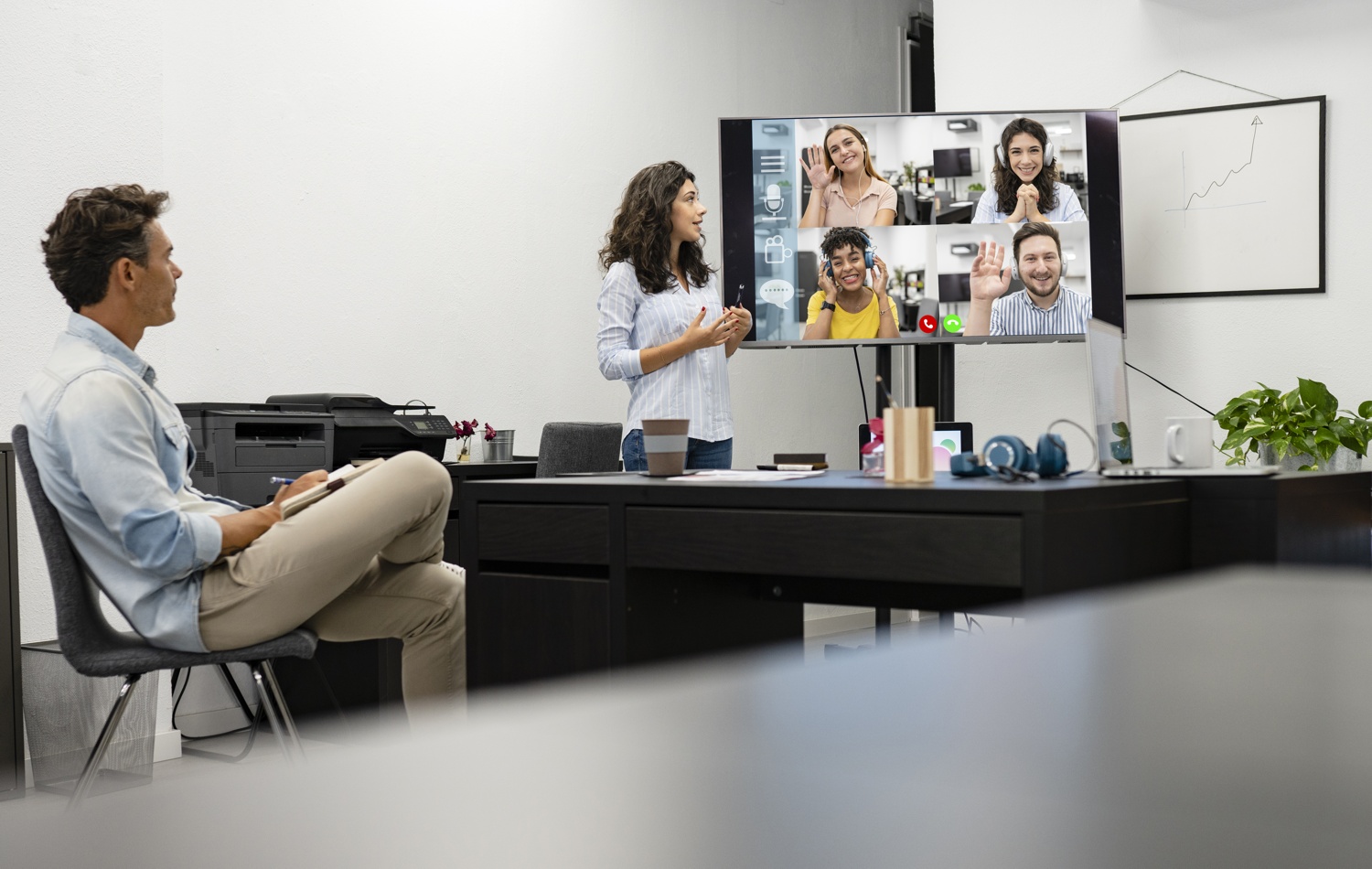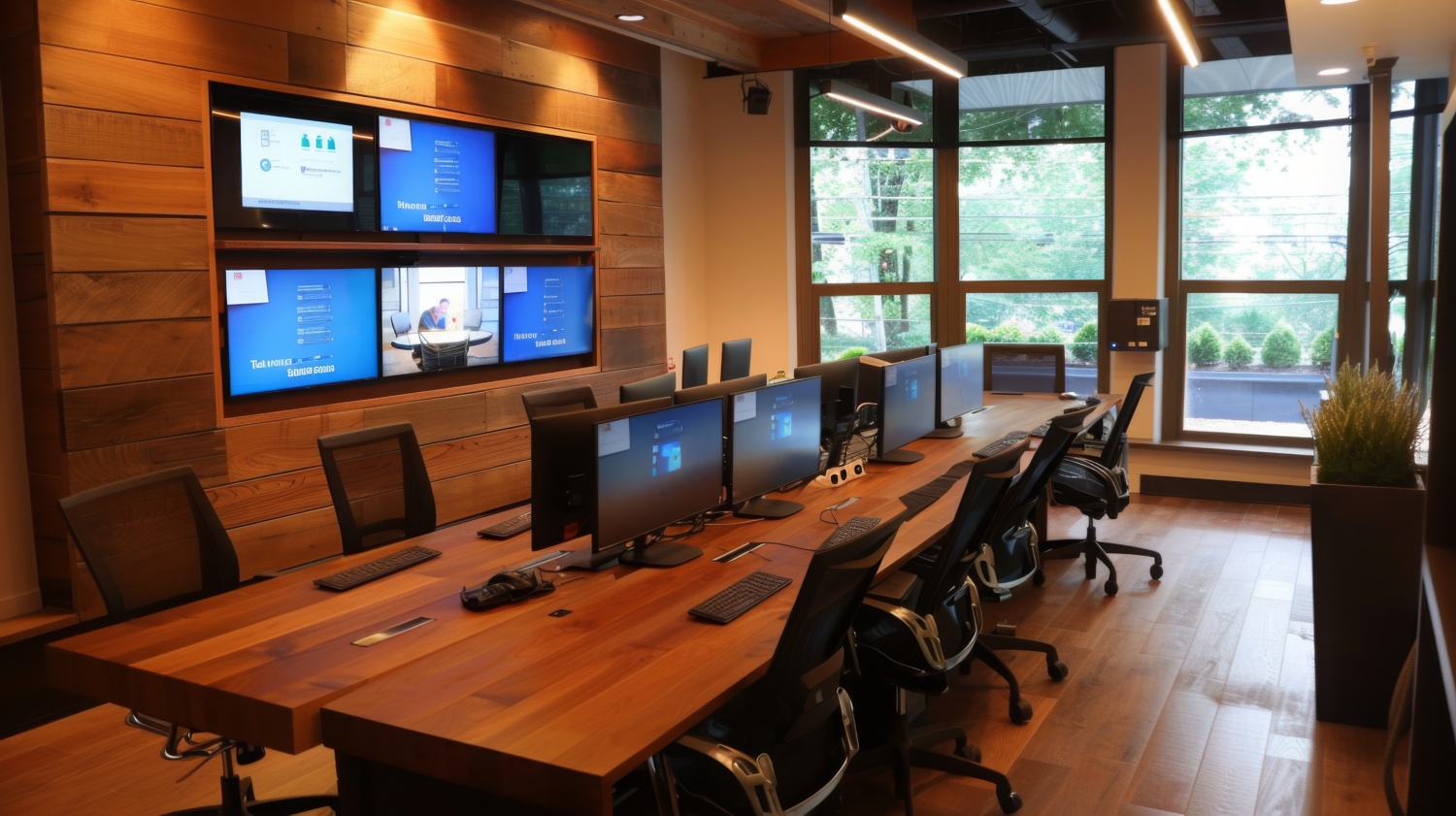

As the role of technology continues to evolve, businesses, educational institutions, and other organizations are increasingly turning to Audio Visual (AV) solutions to enhance collaboration, communication, and overall efficiency. With rapid advancements in AV technology, staying ahead of the curve requires anticipating future trends. By understanding the emerging AV trends of 2026 and beyond, organizations can ensure they’re making the most of their investments, while improving user experiences and supporting sustainability goals.
At CCS Presentation Systems, we’ve been at the forefront of AV integration, delivering custom solutions that meet the unique needs of our clients. Here’s what you can expect in the AV landscape in the coming years.
1. The Rise of Artificial Intelligence (AI) in AV Systems
AI technology is already making its presence felt in AV systems, and this trend will only accelerate in the years ahead. In 2026 and beyond, AI-driven features will become even more sophisticated, enabling AV systems to offer enhanced user experiences and smarter automation.
For example, AI can optimize video conferencing systems by adjusting camera angles, lighting, and microphone settings in real-time based on the number of participants or the room’s acoustics. In classrooms, AI-powered systems could automatically display relevant content, adjust the volume, or even offer real-time translation during lessons to cater to a multilingual audience. These intelligent systems will help streamline workflows, enhance user-friendliness, and ultimately improve the effectiveness of communication and collaboration.
2. Increased Use of Cloud-Based AV Solutions
Cloud-based solutions are quickly becoming a staple in AV integration, and by 2026, they will be an even more integral part of AV setups. These systems allow organizations to manage, store, and stream audio and video content remotely, providing greater flexibility and scalability.
Cloud-based AV systems are particularly beneficial for businesses and educational institutions with multiple locations or remote employees. They eliminate the need for on-premise infrastructure, reducing hardware costs, and offering seamless, centralized control over AV systems from anywhere. This shift to the cloud also enhances collaboration, as teams can easily access, share, and collaborate on multimedia content in real-time.
3. Interactive and Immersive AV Experiences
Interactive and immersive technologies, such as augmented reality (AR) and virtual reality (VR), are already gaining traction in various industries. These technologies will increasingly be integrated into AV systems, transforming how content is delivered and experienced.
For educational institutions, AR and VR have the potential to revolutionize learning experiences. Imagine students being able to explore historical sites through immersive VR field trips or interact with 3D models of the human body in biology class. In the business world, immersive AV systems can enhance employee training, product demonstrations, and customer engagement in ways that traditional methods cannot.
Interactive AV solutions that encourage audience participation, such as digital whiteboards and touchscreens, are also expected to see wider adoption. These tools enable real-time collaboration in meetings, classrooms, and large-scale events, offering a more dynamic and engaging experience for all participants.
4. Increased Focus on Sustainability and Energy Efficiency
As organizations and governments continue to prioritize sustainability, energy-efficient AV solutions will become even more important in the coming years. AV equipment is often a significant consumer of energy, but manufacturers are already innovating to create more sustainable products. For example, energy-efficient displays, LED projectors, and smart lighting systems can help reduce electricity consumption without compromising performance.
AV systems will also be integrated into smart building infrastructure, allowing for intelligent energy management. Systems that automatically adjust lighting, temperature, and AV equipment based on room occupancy or usage patterns will not only improve comfort but also reduce waste and optimize energy use across organizations.
These innovations will help businesses and institutions meet their environmental goals and reduce their overall carbon footprint while maintaining high-performance AV solutions.
5. Seamless Integration with Collaboration Tools
The increasing reliance on collaboration tools such as Microsoft Teams, Zoom, Google Meet, and Slack is set to continue. In the future, we can expect even deeper integration between AV systems and collaboration platforms, making it easier for users to switch between different modes of communication without the need for complex configurations.
For instance, organizations will be able to seamlessly switch between in-person meetings, video conferences, and collaborative workspaces, all facilitated by AV systems that are fully integrated with their preferred platforms. These integrations will improve workflow efficiency and ensure that teams, whether in the same room or across the globe, have access to the same tools and resources.
The need for clear, high-quality audio and video will drive further innovation in microphone systems, cameras, and speakers that can adapt to various meeting and classroom environments, ensuring that all participants can hear and see clearly, regardless of their location.
6. Advanced Video Walls and Immersive Displays
As businesses and institutions seek more engaging ways to present information, video walls and immersive displays will become more common in large venues and public spaces. These displays allow for stunning visuals that captivate audiences and can display multiple types of content at once.
Video walls, which consist of multiple screens arranged together to form one large display, are already popular in control rooms, airports, and corporate lobbies. As the technology improves and becomes more cost-effective, we expect to see these installations expand into new areas such as classrooms, boardrooms, and retail environments.
In addition, 8K and 4K resolution displays will continue to improve the quality of video content, delivering lifelike images and video that are ideal for immersive presentations, live events, and educational content.
7. Improved AV User Interfaces
With the growing complexity of AV systems, user interfaces are becoming more intuitive and easier to use. In the future, voice commands, gesture controls, and even AI-powered assistants will be commonly used to control AV systems, making them more accessible and user-friendly.
The rise of voice-activated systems such as Amazon Alexa and Google Assistant is already influencing AV integration. These technologies are expected to become more sophisticated and prevalent in AV systems, allowing users to control everything from room lighting and projectors to microphones and video conferencing tools with simple voice commands.
8. Enhanced Security Features for AV Systems
As AV technology becomes increasingly interconnected, security concerns will continue to grow. In 2026 and beyond, AV systems will include enhanced security features such as encryption for video and audio streams, secure cloud storage for AV content, and multi-factor authentication for access to AV equipment. These measures will help protect sensitive business and educational data from cyber threats and ensure that AV systems are safe from unauthorized access.
Embrace the Future with CCS Presentation Systems
The AV integration trends shaping 2026 and beyond promise to enhance how we communicate, collaborate, and experience information. By adopting the latest AV solutions, businesses and educational institutions can create more efficient, engaging, and sustainable environments that drive productivity and support long-term goals.
At CCS Presentation Systems, we specialize in integrating the latest AV technologies to meet your unique needs. Whether you’re looking to enhance your meeting rooms, classrooms, or large venues, our team is here to provide cutting-edge AV solutions that deliver exceptional results.
Ready to future-proof your organization’s AV systems? Contact CCS Presentation Systems today to learn more about how we can help you stay ahead of the curve with innovative AV integration services.